

table of contents
You're probably feeling the squeeze from both sides right now. Clinicians need full schedules, patients need fast answers about coverage, and your front desk is stuck explaining why a claim for a routine session was denied over something that should have been caught before the visit. Meanwhile, payroll, rent, and software invoices don't wait for an insurer to reprocess a claim.
That's why choosing a Mental Health Billing Company isn't a back-office decision. It's a cash flow decision, a staffing decision, and in many practices, a sanity decision. The right partner doesn't just send claims. They verify benefits before the session, catch coding issues before submission, chase down underpayments, and keep revenue moving while your clinical team stays focused on care.
Why Your Mental Health Practice Needs A Specialized Billing Partner
A common pattern shows up in mental health practices that try to handle billing the same way a general medical office might handle it. Sessions are documented, charges are dropped, claims go out, and then the rework starts. An authorization expired. A modifier was missed on a telehealth claim. A patient's plan changed between scheduling and the date of service. None of those problems are unusual in behavioral health, but all of them drain time.
Financial pressure mounts. One denied claim doesn't break a practice. A week of denials, slow resubmissions, and patient balances that were never explained clearly at check-in absolutely can. That's why specialized billing support matters. In behavioral health, billing accuracy depends on details that many generalists miss, especially around session limits, payer-specific medical necessity standards, and therapy documentation that has to support the code billed.
Practical Rule: If eligibility and documentation review happen after the claim is created, the practice is already behind.
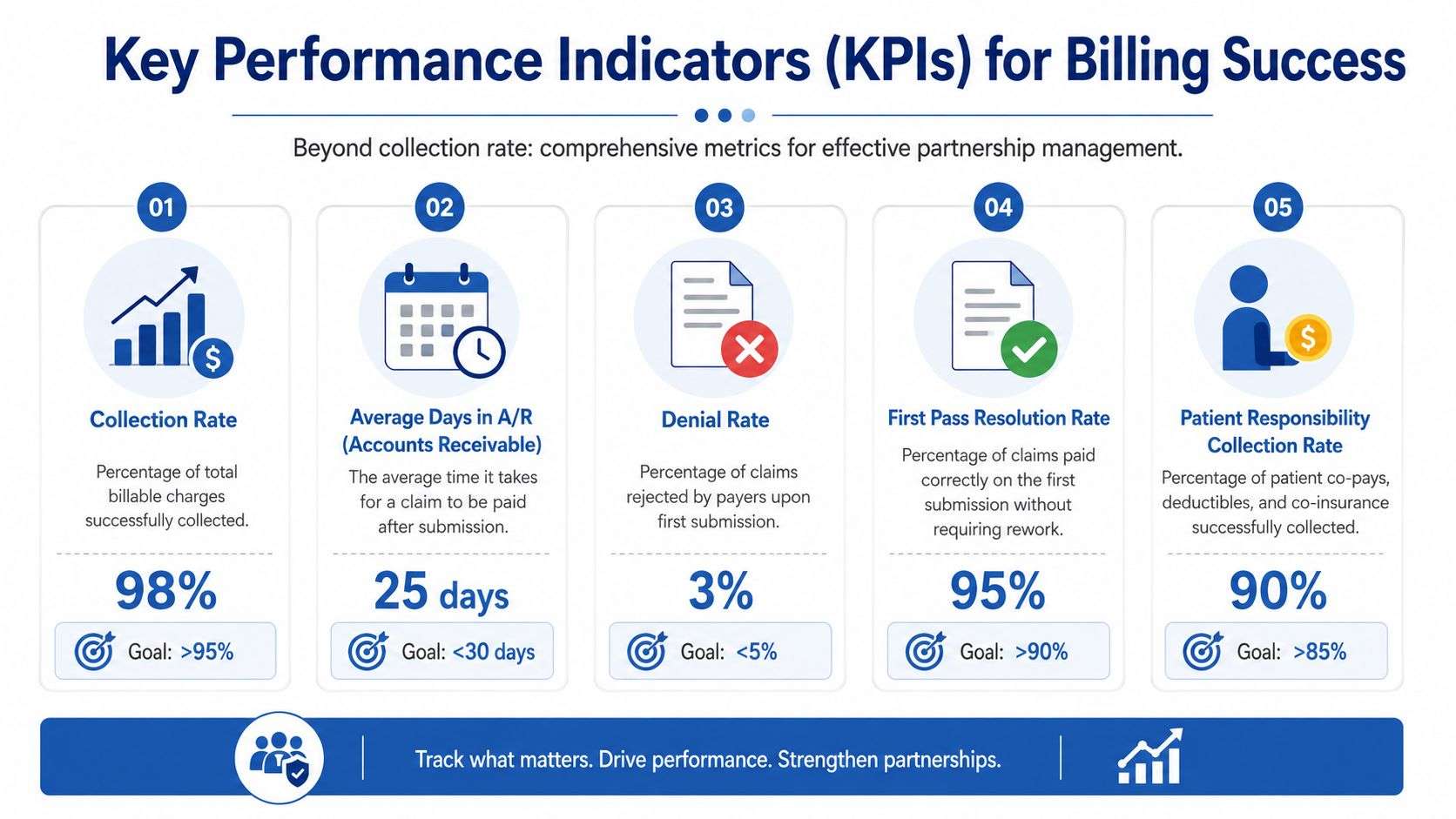
The operational baseline is straightforward. Verifying patient information is the #1 way to achieve clean claims, and incomplete clinical documentation is a regular cause of denials. Practices should aim for a denial rate of 5% or less to indicate strong organizational performance, as noted in this guidance on improving clean claims.
A specialized billing partner turns that principle into a repeatable workflow. They don't rely on hope, memory, or whoever happens to be available at the front desk that day. They build a process around eligibility checks, coding review, claim scrubbing, payment posting, denial follow-up, and payer escalation when needed. That's why many groups treat outsourcing less like an expense and more like a stability move, especially after reviewing the key benefits of outsourcing medical billing.
What Specialization Actually Changes
A specialist knows that mental health billing is full of exceptions. The payer may cover one code but deny another for the same patient. The note may be clinically sound but still fail a payer audit because medical necessity wasn't tied clearly enough to the billed service. Telehealth may be covered, but only with the right place of service, modifier use, and policy timing.
A strong billing partner works like an extension of your practice manager and your clinical operations team. They protect revenue upstream, not just after a denial lands in the queue.
Evaluating Core Services And Billing Expertise
A lot of billing vendors say they “handle mental health.” That phrase means very little unless you know what sits behind it. A capable Mental Health Billing Company should manage the full revenue cycle, but the key difference is how thoroughly they understand behavioral health workflows.
The Non-Negotiable Services
At a minimum, you want a partner that handles:
- Eligibility And Benefits Checks: Coverage, copay, deductible, authorization needs, visit limits, and payer carve-outs should be checked before care is delivered.
- Coding Review: CPT, HCPCS, ICD-10, modifiers, and payer edits need to line up with what happened in the session.
- Claims Submission And Scrubbing: Claims should be reviewed for formatting, coding, and payer-specific errors before they ever reach a clearinghouse.
- Payment Posting And Reconciliation: You need more than “payments posted.” You need underpayments identified and explained.
- Denial Management And A/R Follow-Up: A biller should own rework, appeals, and aging claims instead of letting them sit unresolved.
- Patient Balance Workflow: Statements, payment plans, and clear patient responsibility communication matter because behavioral health often involves recurring visits.
That's the baseline. It's not what separates average from excellent.
The Expertise That Actually Protects Revenue
The difference shows up in edge cases and niche scenarios. One of the most overlooked examples is collaborative care billing. This is a critical service because mental health services may need to be coded as medical visits in certain integrated care arrangements to avoid insurance carve-outs. When practices miss that distinction, 24-30% of collections are lost according to this discussion of collaborative care billing errors.
If a billing company can't explain when behavioral health services should stay within standard therapy coding and when integrated models call for medical billing logic, that's a gap. For a primary care group employing behavioral health staff, it can be an expensive one.
A vendor that only talks about claim submission is usually telling you they're a processor, not a revenue partner.
Questions That Reveal Real Competence
Ask these in the sales conversation, and listen closely to how specific the answers are:
How do you handle telehealth claims for behavioral health?
A strong answer should include modifier handling, payer-specific policy checks, and workflow review before submission.How do you manage collaborative care or integrated primary care models?
If the answer is vague, they probably haven't done it often.How do you align charting and billing?
Billing quality depends on documentation quality. Practices that want fewer denials should pay attention to psychology compliance and record-keeping, because record quality directly affects coding support and audit readiness.What happens after a denial hits?
Good vendors describe triage, ownership, correction, appeal, and follow-up. Weak vendors say they “work denials as they come in.”
For practice owners comparing options, it helps to think in terms of systems, not tasks. You're not just buying claim submission. You're buying an operating model for reimbursement, and that's exactly what specialized mental health revenue cycle management is supposed to deliver.
Your Vendor Vetting And Compliance Checklist
A billing relationship can improve your finances or create a long trail of expensive cleanup. The difference usually appears during vetting. If a vendor is weak on compliance, disconnected from your EHR, or sloppy in denial workflow, those problems will show up in cash flow later.
Beyond collection rate: thorough metrics for effective partnership management.
Check Security And Compliance First
Before you ask about dashboards or fees, ask how they protect patient data.
A solid vendor should explain their HIPAA controls clearly. You want to hear about role-based access, secure file transfer, audit trails, and who can access PHI inside their organization. If they answer with generic reassurances instead of describing process, keep digging.
Use this short checklist:
- Business Associate Agreement: They should provide one without hesitation.
- Access Controls: Ask who sees demographics, insurance data, and clinical notes.
- Incident Response: Ask what happens if data is exposed, sent incorrectly, or accessed without authorization.
- Documentation Boundaries: Mental health records often contain sensitive detail. Confirm whether the billing team needs full notes or only billing-relevant documentation.
Test Their Technology Fit
Many billing problems start with disconnected systems. If the EHR, practice management software, and billing workflow don't communicate cleanly, staff start rekeying information. That's where errors multiply.
One verified best practice is clear. EHR integration with billing software ensures smooth data flow between clinical documentation and billing, reducing compliance-related errors and improving efficiency, according to this denial management resource for mental health providers.
Ask direct questions:
- Will you work inside our current EHR and PM stack, or move data into another platform?
- Who owns charge entry and claim edits?
- How are eligibility checks documented so the front desk and billing team see the same information?
- What reports can our administrators access without submitting a ticket?
If a vendor can't map your workflow from scheduling to payment posting, they don't understand your operation well enough to improve it.
A compatible partner should also be able to explain how claims move from documentation to charge capture to submission with as little duplicate work as possible. If you want a structured comparison tool before signing anything, use a formal due diligence list for billing vendor review.
Audit Their Denial Process
Often, many vendors sound polished until you ask for specifics.
Top billing partners use a systematic denial prevention methodology, including detailed insurance verification 48 hours prior to each session, and that allows them to achieve initial denial rates below 5%, compared with the 10-15% many practices experience, as described in the denial workflow guidance linked above.
A good denial management answer should include all of the following:
- Prevention Before Submission: Eligibility checks, authorization review, and claim scrubbing happen before the claim leaves the system.
- Triage After Denial: They categorize denials by type and financial impact rather than working them randomly.
- Assigned Ownership: A named team or role handles appeals and payer follow-up.
- Root Cause Reporting: They don't just fix claims. They show you patterns so your front desk, clinicians, or credentialing team can stop repeating the same issue.
Ask For Reporting That Shows Operations, Not Just Revenue
Monthly reports shouldn't be limited to money collected. You need visibility into aging, denials, claim status, unresolved edits, and patient responsibility.
A vendor worth keeping will welcome operational scrutiny. That's usually the clearest sign they're managing the revenue cycle, not hiding behind a single big number.
Understanding Pricing Models And Contract Red Flags
Pricing only looks simple at the surface. Most practice owners compare the percentage and stop there. That's how they miss hidden fees, weak service scope, and contracts that lock them into poor performance.
A Mental Health Billing Company usually prices one of two ways. Percentage of collections is the most common model. Flat fee per claim is the cleaner alternative for some practices, but only in the right setup.
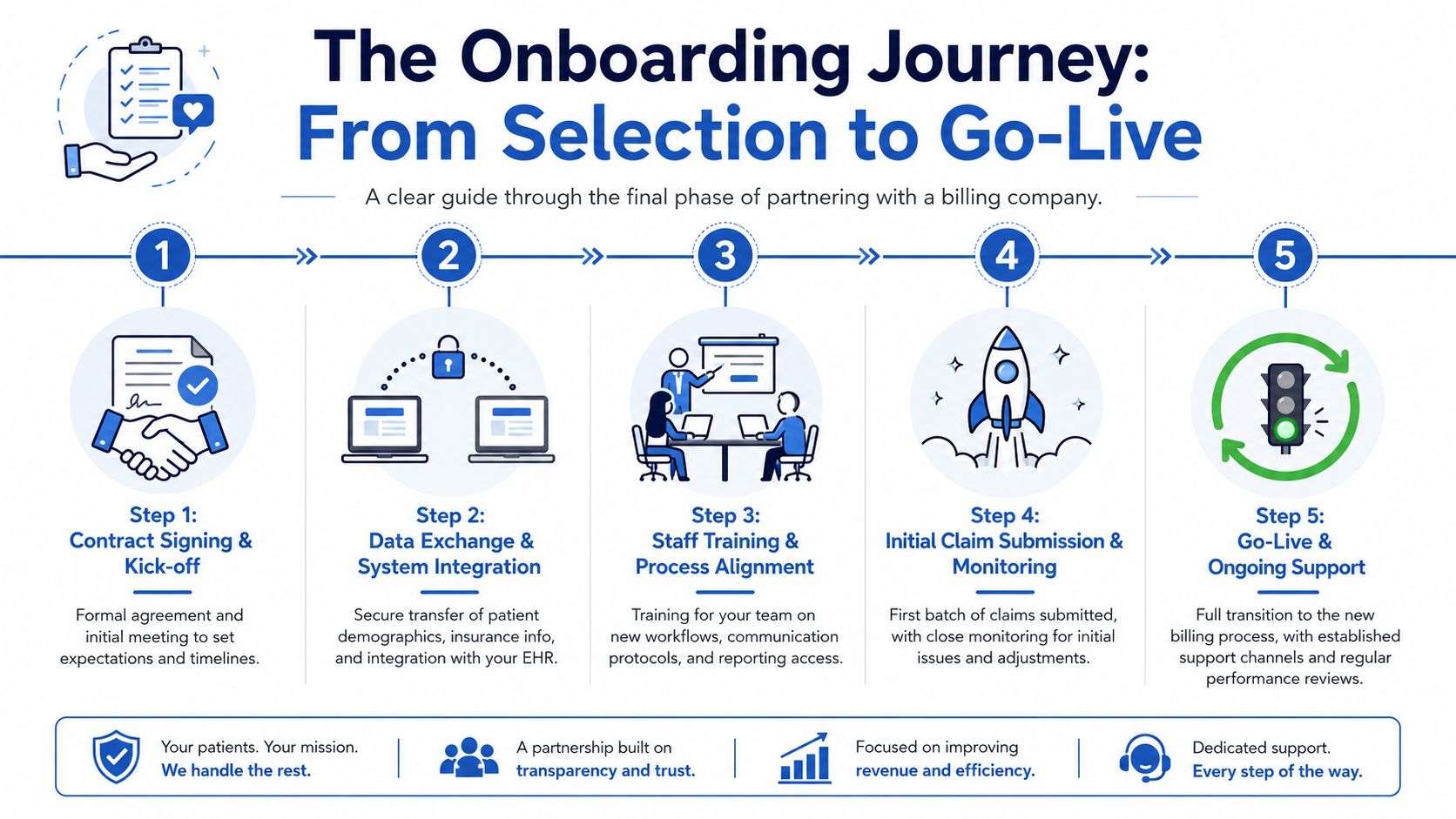
A clear guide through the final phase of partnering with a billing company.
Percentage Versus Flat Fee
Here's the hard data you should know. Outsourced billing services typically charge 5-10% of net collections. By comparison, in-house billing can cost $75,000-$105,000+ annually in salary, benefits, and software, making outsourcing a strong ROI choice for many practices with two or more providers, based on this breakdown of mental health billing service pricing.
That same pricing analysis also notes that flat fee models average $3-8 per claim. Neither model is automatically better.
Percentage Model Works Best When
- Your claim complexity is high: Denials, appeals, payer variation, and frequent rework make percentage pricing more realistic.
- You want aligned incentives: When revenue goes up, the billing company earns more, so they're motivated to recover more.
- You need broad service: This model often fits full-cycle billing, not just claim submission.
Flat Fee Works Best When
- Your volume is predictable: A stable claim environment makes per-claim costs easier to forecast.
- Your internal team still handles part of the work: Some practices keep eligibility, patient collections, or certain follow-up in-house.
- Your payer mix is simple: The less rework involved, the more feasible flat-fee billing becomes.
The Contract Problems That Cause Trouble Later
Price gets attention. Contract language decides whether the relationship is safe.
Watch for these red flags:
- Long Terms Without Performance Review: If the vendor wants a long commitment but offers no meaningful reporting or service review structure, that's a bad trade.
- Extra Fees Buried In Scope: Setup, credentialing support, advanced reporting, patient statements, and appeals may be excluded unless spelled out.
- No Clarity On Data Ownership: Your claims data, payer correspondence, and reporting history should remain accessible to your practice.
- Undefined Exit Process: Ask how data is returned, how old A/R is handled, and who owns unpaid claims during the transition.
- Vague Service Descriptions: “Revenue cycle support” means nothing unless responsibilities are listed.
Contract Rule: If a fee model is clear but the service scope is fuzzy, the quote isn't actually clear.
Before signing, compare pricing against actual deliverables, reporting access, appeal handling, and transition support. A practical starting point is to review common medical billing services pricing structures so you can compare quotes on equal terms.
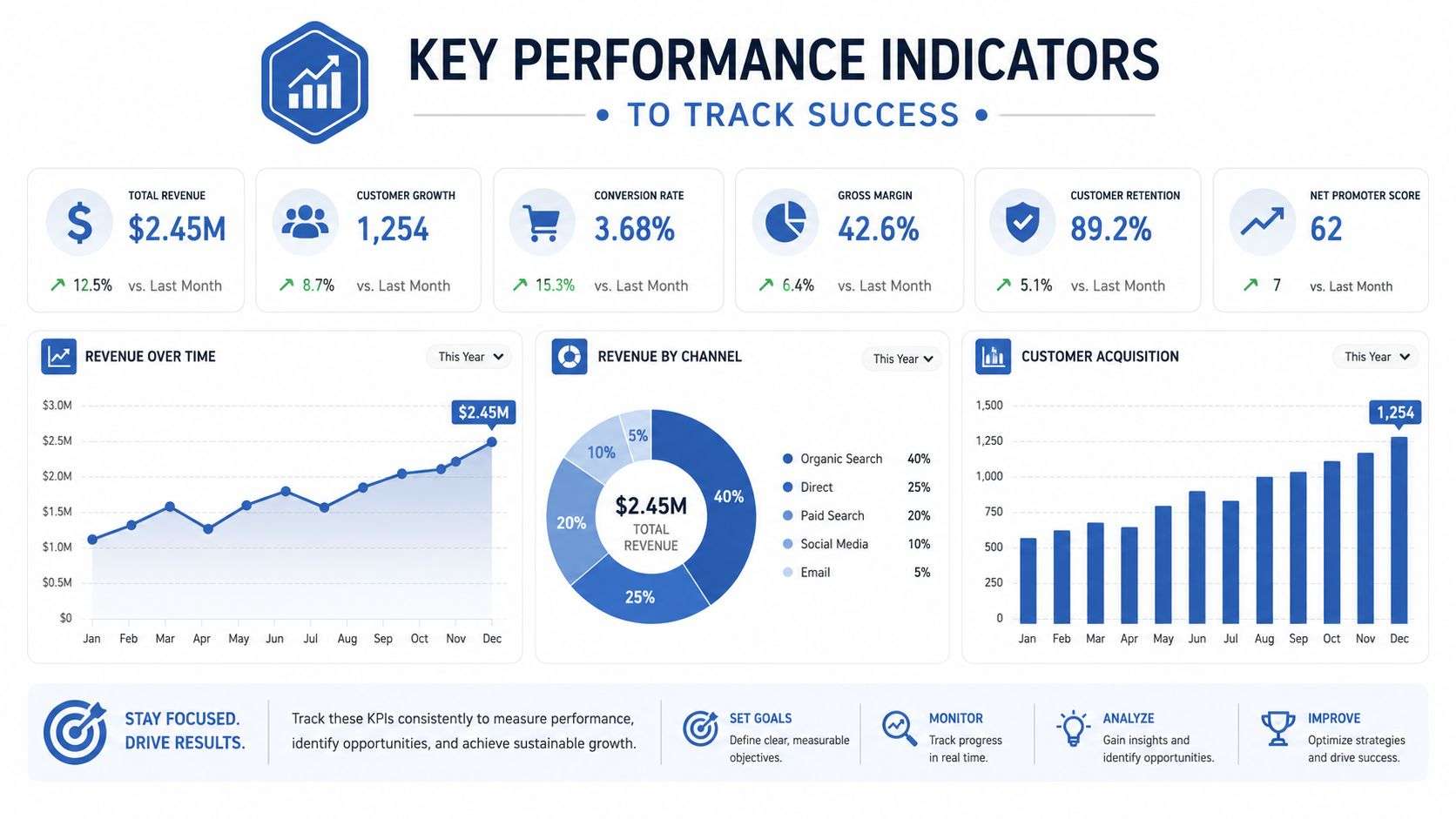
Key Performance Indicators To Track Success
Collection rate gets the spotlight because it's easy to understand. Money in is good. But collection rate alone can hide a messy operation. A vendor can collect eventually while still submitting claims slowly, letting denials pile up, or pushing preventable balances onto patients.
A stronger way to judge a Mental Health Billing Company is to watch the operational KPIs that drive cash flow before month-end totals ever show up.
First-Pass And Clean Claim Performance
The first KPI to watch is how often claims go out correctly the first time.
Specialized mental health billing services can achieve first-pass clean claim rates of 95-98% and reduce days in accounts receivable to 20-30 days, which is a major improvement over the 45-60 days often seen when practices manage billing in-house, according to this overview of mental health billing performance.
That metric matters because every corrected claim creates delay. It means someone entered bad demographics, missed an authorization requirement, chose the wrong code, or sent documentation that didn't support medical necessity. When clean claim performance rises, rework drops and reimbursement speeds up.
A good report should help you answer:
- Which payers reject most often on first submission
- Which providers or locations generate the most edits
- Whether denials start at scheduling, documentation, coding, or claim transmission
Denial Rate Tells You Where Process Is Breaking
Denial rate is the pressure gauge for your revenue cycle. If it rises, something upstream is failing.
A healthy billing relationship doesn't treat denials as routine. It isolates why they're happening and who needs to fix the cause. Sometimes the issue is front-desk eligibility checks. Sometimes it's expired authorization. Sometimes it's documentation that doesn't support the level of service billed. What matters is whether your vendor can show the pattern and act on it quickly.
Don't accept “we're appealing them” as a complete answer. You need to know why those denials happened in the first place.
Days In A/R Measures Revenue Velocity
If clean claims tell you about accuracy, days in A/R tells you about speed.
Fast reimbursement stabilizes the entire practice. Payroll timing gets easier. Owners stop using month-end deposits to solve last month's problems. Multi-site groups can compare locations with fewer blind spots. This is why operational leaders watch A/R aging so closely. Revenue that sits too long becomes harder to collect.
There's also a niche metric that deserves more attention in behavioral health: Days Not Final Billed, or DNFB. General billing conversations often skip it, but it's one of the clearest indicators of whether charges are moving quickly from service delivery to final claim submission. Research highlighted in the verified data shows specialized behavioral health billing services can achieve up to a 75% reduction in DNFB, which directly accelerates cash flow.
What To Review Every Month
If you want accountability without drowning in reports, focus on a short recurring dashboard:
- Clean Claim Rate: Shows whether claims are being built correctly at the start.
- Denial Rate By Reason: Shows whether the same preventable issue keeps recurring.
- Days In A/R: Shows how fast revenue converts to cash.
- DNFB: Shows whether charges are getting stuck before final billing.
- Patient Responsibility Collection Workflow: Shows whether front-end financial communication is doing its job.
A good billing partner should present these metrics in a way your administrators can use. If you need a model for that kind of visibility, a revenue cycle management dashboard shows the level of operational reporting a practice should expect.
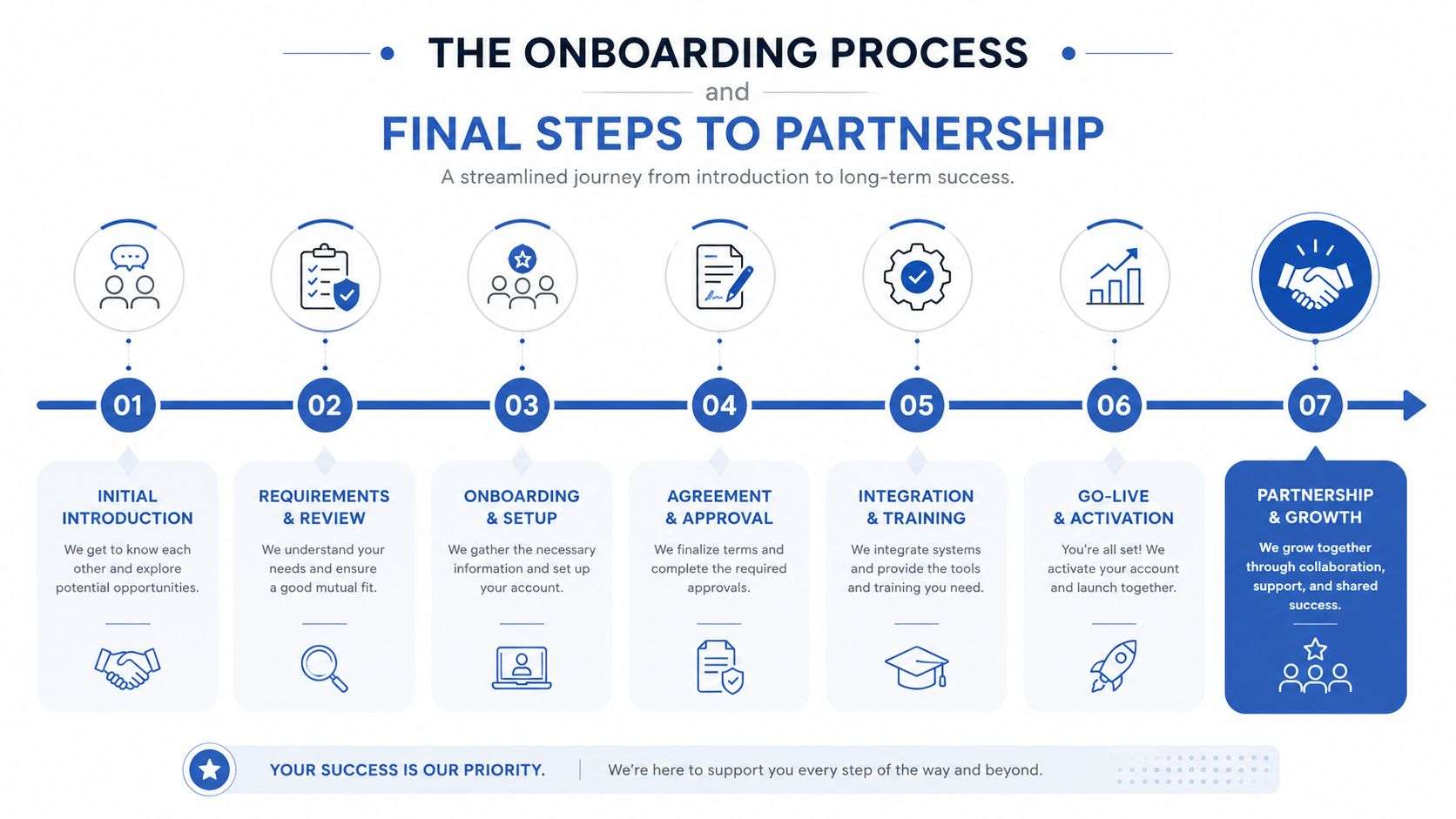
The Onboarding Process And Final Steps To Partnership
Switching billing partners feels disruptive until the work is broken into clear responsibilities. The handoff is smoother when the practice and the billing company agree on timeline, data access, and ownership before the first claim goes out.
The First Week Sets The Tone
The kickoff meeting should identify who owns each part of the transition. That includes credentialing review, payer enrollment status, data migration, charge entry rules, reporting access, and communication channels. If those items stay vague, confusion shows up fast once live claims start moving.
The practice usually needs to supply clean provider rosters, payer contracts, fee schedules if available, tax IDs, NPIs, authorization workflows, and system access. The billing partner should map how appointments become charges, how documentation supports those charges, and how payments will be posted and reconciled.
System Setup Should Mirror Real Workflow
A strong onboarding process doesn't force your staff into random new steps. It should match the way your locations schedule, document, collect copays, and respond to payer requests.
Expect the partner to review:
- EHR And Practice Management Access: They need the right permissions without overexposing data.
- Provider And Location Setup: Rendering provider details, supervising relationships, and service locations must be correct.
- Claim Rules By Payer: Telehealth handling, authorizations, and note support should be built into workflow.
- Reporting Cadence: Decide early who receives weekly and monthly performance updates.
Go-Live Should Be Controlled, Not Rushed
The best first submission isn't the fastest one. It's the one that catches issues while they're still small. Early claims should be monitored closely for payer edits, credentialing mismatches, authorization errors, and posting problems.
A clean go-live usually depends on two habits. First, the billing partner should communicate in plain language when issues surface. Second, the practice should respond quickly on documentation gaps, payer notices, and staff workflow changes. That shared discipline matters more than any software promise.
Early onboarding success comes from quick feedback loops, not from pretending there won't be setup issues.
Once the first claim cycle closes, the relationship should shift from implementation to management. At that point, reporting, denial patterns, and process refinement become the focus. That's when you find out whether you hired a vendor to submit claims or a partner who can strengthen the business side of your practice.
If your practice needs a billing partner that can support mental health workflows with transparent reporting, denial follow-up, and scalable revenue cycle support, One For All Medical Billing is worth a closer look. Their team supports practices nationwide with specialty-aware billing operations, straightforward onboarding, and a focus on helping providers get paid faster with less administrative strain.

